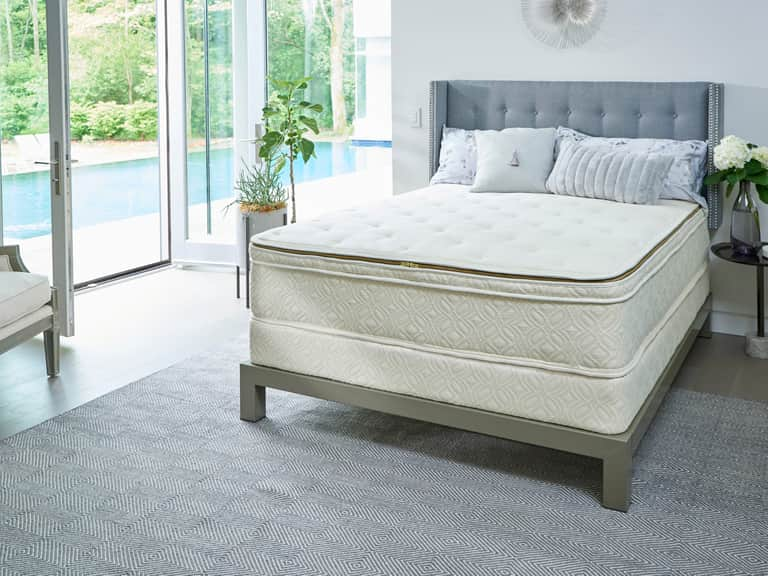
Sleep surfaces • Practical guide
What to Check When Comparing Healthy Choice Sleep Surfaces
A comfortable bed is personal: one sleeper’s inviting softness may feel too yielding to another, and a material that suits one guest may not suit someone with sensitivities. When comparing Healthy Choice sleep surfaces for a guest room, a longer stay or an overnight visit, start with the facts—materials, construction, care guidance and feel—then weigh them against the needs of the person who will sleep there.
Published November 2, 2026
Begin with what the product actually is
The first useful question is also the simplest: are you looking at a mattress, a topper, a foundation or another component? These pieces play different roles, and their descriptions should not be compared as if they were interchangeable. A mattress is the main sleep surface. A topper rests on a mattress and can change the feel of its upper layer. A foundation supports the mattress from below; it does not provide the same kind of cushioning as a topper.
That distinction matters when you are reviewing Healthy Choice options. The Healthy Choice Organic Wool Mattress Topper, for example, is described as an approximately three-inch layer made with GOTS-certified organic wool between two layers of GOTS-certified organic cotton fabric. It is a topper, not a complete mattress. Its likely role in a bed is to add a substantial cushioning layer above the existing mattress, so its performance depends in part on the surface beneath it.
Before comparing specifications, make a note of the item type, dimensions, thickness, materials, intended placement and any included components. If the description does not make one of these points clear, look for further product guidance rather than filling in the gaps with assumptions. A clear understanding of what a sleep surface is designed to do can prevent a mismatch before comfort even enters the picture.
Read the materials list, not just the headline
Product names often highlight a key material, but the full construction tells a more complete story. Check what is used for the fill, what surrounds it, and whether the description identifies additional layers. For the Healthy Choice wool topper, the stated fill is GOTS-certified organic wool, and the cover layers are GOTS-certified organic cotton. The product information also describes the wool as tufted between the cotton layers and says the topper is designed to lie flat without shifting or bunching.
Those details help describe the construction; they are not a guarantee that every sleeper will experience the same comfort or temperature. Wool and cotton may appeal to people who prefer natural fibres, but personal comfort depends on many things, including room conditions, sleepwear, bedding, the mattress below and individual preferences. A materials list is a practical starting point, not a substitute for considering the complete bed.
Look for specific names and clear descriptions rather than broad, unqualified language. If a listing uses terms such as “natural,” “organic” or “breathable,” check what the claim refers to and whether the accompanying information explains the actual material. Certifications can help you understand how a product is represented, but readers should still verify what is certified and which parts of the product are covered. In this case, the stated information identifies GOTS-certified organic wool and cotton; it is sensible to keep comparisons grounded in those named materials.
For anyone with allergies or sensitivities, a fibre’s name alone cannot establish whether the product will be suitable. Review the full materials information, consider any known triggers, and contact the manufacturer or retailer if important details are missing. If the sleep surface is for a guest, asking about relevant sensitivities beforehand can be more considerate than trying to guess what will work.
Think about construction and the mattress underneath
A topper does not exist in isolation. The mattress beneath it contributes much of the bed’s support, and its current condition can affect how the combined surface feels. A wool layer may add cushioning, but it should not be assumed to repair a sagging mattress, correct a support problem or turn an unsuitable mattress into the right one for every sleeper.
When assessing construction, consider thickness and how the layers are held together. The Healthy Choice Organic Wool Mattress Topper is described as approximately three inches thick, with wool tufted between two cotton fabric layers. The description says this construction helps the topper stay flat on the mattress. That is useful information to compare with another surface, but it does not tell you exactly how firm or soft the complete bed will feel. A topper’s effect can vary according to the mattress, the sleeper’s body and the way the bed is made up.
If you are preparing a guest room, check the mattress itself before adding another layer. Is it level and in good condition? Does it provide the support the intended sleeper prefers? Is the bed frame stable, and is the mattress appropriately supported? A well-chosen topper can be part of a comfortable arrangement, but the whole setup deserves attention.
For longer stays, this whole-bed view becomes especially helpful. A surface that feels pleasant for a brief sit may not feel equally comfortable after a full night, and the person using it may have different preferences from the host. If possible, consider the mattress and topper together, and make clear which bedding layers will be used. That gives everyone a more realistic sense of the final sleep surface.
Match comfort to the sleeper, not to a universal rating
There is no single firmness level or sleep surface that suits every person. Sleeping position can be one consideration: side sleepers may pay close attention to cushioning around the shoulders and hips, while back or stomach sleepers may place particular emphasis on how supported and level they feel. These are useful prompts for a conversation, not fixed rules. Body shape, personal preference, existing aches and the mattress underneath can all influence the experience.
Ask the person who will use the bed what they prefer, if that is practical. Do they usually choose a firmer or softer bed? Do they sleep hot or cold? Are there materials they avoid? Would they rather have a smooth, familiar surface or a more cushioned feel? A few respectful questions can be more useful than trying to infer someone’s needs from a product description.
For visitors staying overnight, comfort also includes the details around the bed. Clean, well-fitting sheets, a suitable pillow, a comfortable room temperature and a quiet environment can all contribute to rest. A sleep surface is an important part of the experience, but it is only one part. If someone is staying for several nights, small adjustments—such as offering an extra blanket or a different pillow—may make the arrangement feel more considerate.
When you cannot test a surface in advance, rely on clearly stated specifications and the supplier’s policies rather than a broad promise that it will suit everyone. Confirm dimensions, placement requirements and any relevant trial, return or warranty terms directly with the seller. Policies can vary, and checking them before a purchase is more dependable than assuming one product’s terms apply to another.
Consider temperature and the feel of the room
Temperature comfort is individual and can change with the season, the room and the bedding. The Healthy Choice topper description presents wool as a breathable material and describes the layer as suitable for year-round use. That is product information worth considering, but it should not be taken as a promise that every sleeper will remain at a particular temperature. Personal experience can vary, especially when the topper is used with a mattress protector, dense duvet or other insulating layers.
Think about the room as well as the material. Is it likely to be warm during a summer visit, or cool in winter? Can the guest adjust the heating or open a window safely? Are the duvet and sheets appropriate to the season? When temperature is a concern, give the sleeper options: an extra blanket that can be removed, lighter bedding, or a way to adjust the room’s warmth.
Material preferences may also involve texture and feel. Some people enjoy the cushioned sensation associated with a thicker topper; others prefer a more direct feel of the mattress. The listed thickness gives a useful point of comparison, but does not translate automatically into a specific softness rating. If a product description does not state a firmness scale or provide a hands-on assessment, avoid treating the thickness alone as a complete comfort verdict.
Check care instructions before you commit
Care is easy to overlook when comparing sleep surfaces, especially when the product sounds comfortable and the material list is appealing. Yet cleaning and maintenance influence whether a surface is practical for a guest room or a longer stay. Check the manufacturer’s guidance for routine care, stain treatment, airing, storage and any restrictions on washing. Do not assume that a topper can be machine-washed or that ordinary cleaning products are appropriate.
The available product description identifies the Healthy Choice topper’s materials and construction, but shoppers should consult the latest care instructions for specific cleaning requirements. If the guidance is not provided with the product information, ask the seller or manufacturer before purchase. This is particularly relevant when the surface will be used by multiple guests or when a household has pets, children or known sensitivities.
Also ask whether a mattress protector is recommended and whether it could change the way the topper feels. A protector can be useful for keeping a bed clean, but layers added above or below a topper may affect the combined surface. Follow product guidance, and make sure bedding fits the total depth of the mattress and topper so it does not pull loose overnight.
For a guest room, straightforward upkeep is a real advantage. Keep the care guidance where it can be found, use clean bedding between visitors, and allow the bed to air as appropriate. These simple habits support a fresher, more welcoming setup without making claims about health outcomes that a product description cannot establish.
A useful checklist for comparing options
When two or more sleep surfaces are under consideration, a brief checklist keeps the decision focused on details you can verify. Compare like with like: a topper should be assessed against other toppers, while a mattress calls for a different set of questions. If one listing gives more information than another, record what is unknown rather than assuming the missing details are equivalent.
- Product type: Is it a mattress, topper or support component?
- Dimensions: Does it match the bed, including its actual length and width?
- Thickness: How deep is the surface, and will the fitted sheets accommodate the full bed?
- Materials: What are the fill and cover made from? Are any certifications clearly identified?
- Construction: How are the layers assembled, and what does the product description say about movement or stability?
- Feel and support: Are firmness or comfort details stated, and how might the underlying mattress affect the result?
- Care: What are the cleaning and maintenance instructions?
- Sleeper needs: What are the person’s preferences, sleeping position and relevant sensitivities?
- Practical terms: What do delivery, trial, return and warranty policies say? Confirm them with the seller.
For the Healthy Choice Organic Wool Mattress Topper, the stated details provide several helpful comparison points: it is a topper, is approximately three inches thick, uses GOTS-certified organic wool and cotton, and is made with the wool tufted between two cotton fabric layers. If you are comparing it with another option, line up those facts against the other product’s corresponding specifications. Then identify what is not stated—such as a specific firmness rating or detailed care instructions—and seek clarification where it matters.
Common assumptions worth avoiding
A natural or certified material does not automatically make a sleep surface right for every person. Certification and material descriptions help clarify what is being offered; they do not tell you how a particular sleeper will feel on it. Likewise, “breathable” is not a guarantee that someone who sleeps hot will be comfortable in every room and bedding combination.
It is also wise not to assume that a topper can resolve every mattress concern. A topper may change the cushioning at the top of a bed, but the mattress below remains part of the support system. If that mattress is worn out, uneven or uncomfortable, investigate the underlying issue rather than expecting an added layer to solve it.
Finally, avoid relying on a single number as a complete assessment. Thickness, thread count, material names and price each describe only one part of a product. A thoughtful comparison considers construction, fit, care, sleeper preferences and the bed as a whole. It is a little less dramatic than declaring one surface the universal winner—but it is far more useful when a real person is the one hoping to sleep well.
Making a considered choice for a stay
For an overnight guest, focus on a clean, supportive bed and ask about any preferences that are easy to accommodate. For a longer visit, give more weight to the person’s usual sleeping position, preferred firmness, temperature comfort and sensitivities. For a guest-room update, inspect the existing mattress first and decide whether a topper is the right kind of change. Each situation calls for the same careful reading, but not necessarily the same solution.
If the Healthy Choice Organic Wool Mattress Topper is among the options you are reviewing, its wool-and-cotton construction and approximate three-inch profile offer concrete details to consider. You can read the product information for the Healthy Choice Organic Wool Mattress Topper, then verify its dimensions, care guidance and relevant policies with the seller. The goal is not to let a product name make the decision for you; it is to understand how the stated features fit the bed and the person who will use it.
Comfort is ultimately a personal experience, not a universal claim. A careful comparison replaces vague promises with practical questions: What is it made of? How is it constructed? How will it sit on the mattress? How should it be cared for? And does its feel make sense for the sleeper? Answer those questions one by one, and choosing a sleep surface becomes a calmer, clearer part of preparing for a good night away from home.
Quick takeaways
- Confirm whether the item is a mattress, topper or another bed component before comparing it.
- Use specific material and construction details rather than broad claims to understand what is being offered.
- Remember that a topper’s feel depends partly on the mattress beneath it.
- Consider the sleeper’s position, firmness preference, temperature comfort and sensitivities.
- Check care guidance, dimensions and seller policies before making a decision.
- For the Healthy Choice wool topper, the stated details include an approximately three-inch profile and GOTS-certified organic wool and cotton.